
Introduction
Protecting your car from damage helps maintain its value, appearance, and performance. Taking preventive measures reduces the risk of accidents, wear, and environmental harm, ensuring your vehicle stays in good condition for years.
Use a Car Cover
A car cover shields your vehicle from dust, debris, UV rays, and harsh weather conditions. Outdoor parking can expose cars to rain, snow, and sunlight, which can damage paint and interiors over time.
Park Safely
Choose parking spots away from high-traffic areas, tight spaces, or locations prone to accidents. Whenever possible, park in garages or shaded areas to reduce exposure to elements and accidental dings from other vehicles.
Install Protective Films and Coatings
Paint protection films (PPF) and ceramic coatings provide an extra layer on the car’s surface, preventing scratches, chips, and fading. These coatings also make cleaning easier and preserve the car’s aesthetic appeal.
Maintain Tires and Brakes
Properly inflated tires and well-maintained brakes reduce the risk of accidents caused by tire blowouts or brake failure. Regular tire rotation, alignment checks, and brake inspections help prevent mechanical damage.
Avoid Harsh Driving Conditions
Driving carefully on rough roads, avoiding potholes, and reducing speed on uneven surfaces prevents suspension, tire, and undercarriage damage. Smooth driving also extends the lifespan of mechanical components.
Clean Your Car Regularly
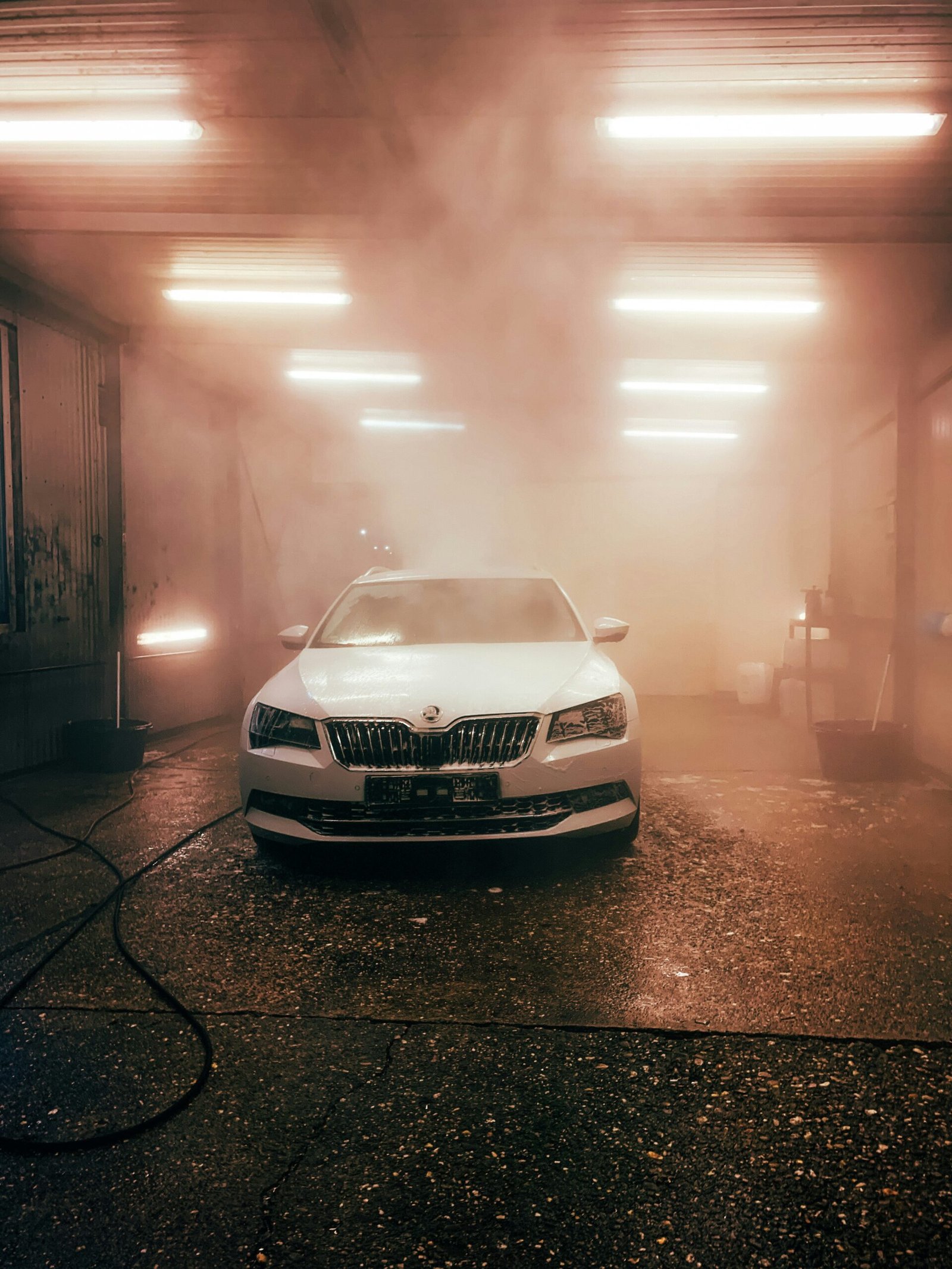
Regular washing removes dirt, salt, and grime that can cause corrosion. Waxing periodically adds a protective layer to the paint, reducing damage from UV rays and environmental pollutants.
Secure Your Vehicle
Use anti-theft devices, alarm systems, and steering locks to prevent theft and vandalism. Locking your car and parking in well-lit, secure areas also reduces the risk of intentional damage.
Protect the Interior
Use seat covers, floor mats, and sunshades to preserve upholstery and interior surfaces. Protecting the cabin from spills, sun damage, and wear helps maintain resale value and comfort.
Check Weather Conditions
Avoid driving in extreme weather whenever possible. Snow, ice, flooding, and heavy rain can damage the car’s exterior and mechanical systems. Preparing for weather with proper tires and protective measures is essential.
Regular Maintenance
Routine maintenance ensures all systems function correctly and reduces the risk of unexpected damage. Oil changes, fluid checks, and scheduled inspections keep the car running smoothly and prevent costly repairs.
Conclusion
Protecting your car from damage involves a combination of preventive care, careful driving, and regular maintenance. By taking these steps, you can extend your vehicle’s life, preserve its value, and enjoy a safer, more reliable driving experience.

