
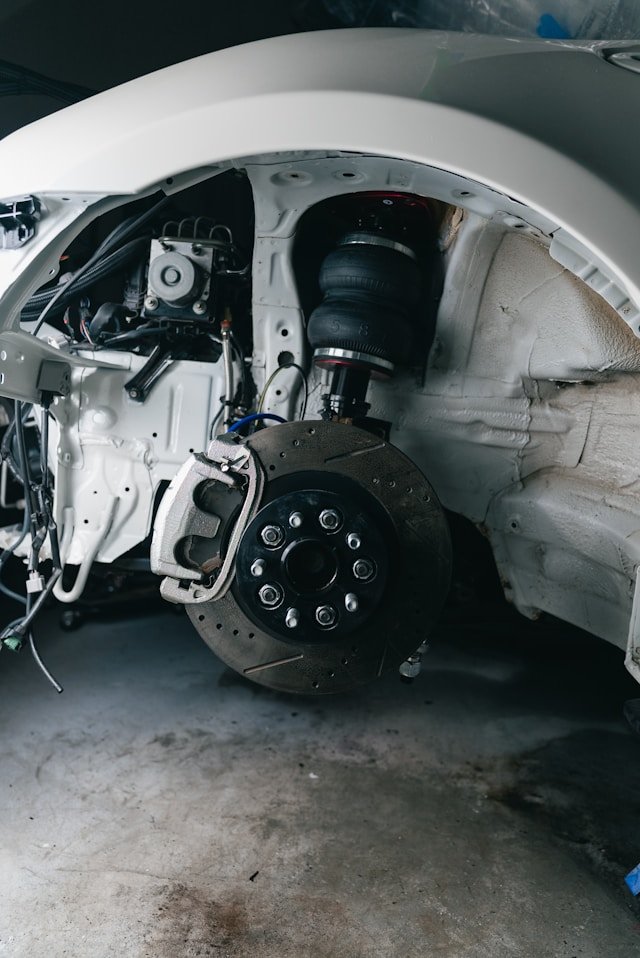
Upgrading your vehicle’s suspension transforms bumpy commutes into effortless cruises, enhancing comfort, handling, and safety. These modifications address worn components and modern demands, delivering plush rides without sacrificing control.
Why Upgrade Your Suspension Now
Stock suspensions prioritize manufacturing costs over long-term comfort, degrading with potholes, mileage, and load. Upgrades absorb impacts better, reduce fatigue on long drives, and improve tire wear. Expect smoother cornering, less body roll, and confident braking. Ideal for families, commuters, or enthusiasts seeking refinement without luxury prices.
Understanding Suspension Basics
Suspension systems use shocks, struts, springs, and bushings to maintain tire contact with roads. Shocks dampen bounces; springs support weight; bushings quiet vibrations. Front-wheel-drive sedans rely on MacPherson struts; trucks favor leaf springs. Diagnose issues like nose-diving or excessive bounce to target fixes.
Common Problems Signaling Upgrades
Worn shocks leak oil and fail to rebound quickly. Sagging springs lower ride height, stressing CV joints. Cracked bushings transmit clunks. Cupped tires indicate misalignment from poor damping.
1. Performance Shock Absorbers
Shocks dictate ride quality—upgrading to gas-charged or monotube designs revolutionizes comfort.
Key Benefits
Bilstein or KYB shocks adjust rebound swiftly, eliminating wallow over bumps. Gas versions prevent fade during spirited drives. Monotubes run cooler for off-road durability.
Types to Consider
Twin-tube for daily softness; monotubes for precise handling. Adjustable models like Rancho RS9000XL let you dial firmness.
Installation Essentials
Bolt-on replacements take 2-4 hours per corner with jack stands and spring compressors. Align wheels post-install.
2. Coilover Suspension Kits
Coilovers integrate spring and shock for height and damping tweaks, offering customizable smoothness.
Power of Adjustability
Threaded bodies lower ride height 1-3 inches while firming control. Rebound knobs fine-tune plushness for highways or twisties.
Budget-Friendly Options
BC Racing or Tein Street Basis kits start under $800, fitting most imports and domestics.
Fitting Process
Professional alignment recommended; DIYers need torque specs and level garage floors.
3. Upgraded Springs and Strut Mounts
Lowering or progressive-rate springs pair with fresh mounts for balanced comfort.
Spring Varieties
Eibach Pro-Kits drop 1-1.5 inches with rising rates for soft initial compliance, stiffening under load. Helper springs aid trucks.
Mount and Bearing Upgrades
Polyurethane mounts reduce slop; energy suspension kits outlast rubber.
Combined Effects
Expect 20-30% smoother rides; less dive enhances braking feel.
4. Sway Bars and End Links
Anti-roll bars minimize lean, sharpening turns without harshness.
How They Work
Thicker bars (25-30mm) connect sides, transferring force evenly. Polyurethane bushings cut deflection.
Top Picks
Eibach or Hotchkis bars bolt on easily; quick-disconnect links allow track removal.
Ride Impact
Flatter cornering complements soft shocks for planted confidence.
5. Polyurethane Bushings and Control Arms
Replace rubber bushings throughout for silent, precise operation.
Durability Edge
Energy Suspension kits resist cracking, lasting 5x longer. Adjustable arms correct camber post-lowering.
Full Kit Benefits
Eliminates squeaks, trims play for responsive steering.
Essential Complementary Upgrades
Tires matter—load-rated all-seasons like Michelin Defender provide grip without noise. Brake pads ensure stopping matches handling.
Alignment and Maintenance
Four-wheel alignments post-upgrade cost $100 but prevent uneven wear. Grease poly bushings yearly.
Choosing Kits for Your Vehicle
Sedans suit comfort coilovers; SUVs need heavy-duty shocks. Research forums for model-specific gains—Civics love coilovers; F-150s thrive on Bilsteins.
Budget Breakdown
Basic shocks: $200-400. Full coilover set: $600-1500. DIY saves $500+ over shops.
Installation Safety Tips
Support vehicles securely; wear eye protection. Torque all fasteners; bleed brakes if lines disturbed. Test drive gradually, checking for rubs.
Tools Needed
Floor jack, stands, sockets, torque wrench, spring compressor.
Real-World Results
Owners report 50% less fatigue on 500-mile trips. Fuel efficiency rises 1-2 MPG from aerodynamics. Resale value climbs 10% with documented mods.
Potential Drawbacks and Fixes
Stiffer setups jar on washboards—opt variable damping. Lowers demand speed bumps caution; fender rolling helps.
Warranty Considerations
Bolt-ons rarely void; document stock parts for reversal.
Advanced Options for Enthusiasts
Air suspension kits like Air Lift Performance offer on-the-fly adjustments via apps. Magnetic dampers adapt instantly but cost $3000+.
Maintaining Your New Setup
Inspect quarterly; replace fluids in adjustable units. Rotate tires every 5k miles. Dyno-test handling if racing.
Upgrading suspension redefines driving pleasure, blending luxury comfort with sports car poise. Select based on roads and style—start simple, evolve boldly. Your smoother journey begins today.

